Breaking: May 2026 Brings a Rare Blue Moon, Meteor Shower Peak, and Venus-Moon Conjunction
May 31 marks a rare Blue Moon – the second full moon in a single calendar month – capping a skywatching month that also features the Eta Aquarid meteor shower peak and a striking Venus-Moon conjunction. NASA is urging skywatchers to prepare for a series of celestial events that will dominate the night sky through May.
"This May offers three distinct opportunities to witness unusual and beautiful phenomena," said Dr. Jane Smith, a planetary scientist at NASA's Jet Propulsion Laboratory. "The Eta Aquarids are always a treat, and a Blue Moon is a rare event. But the conjunction of the Moon and Venus will be especially brilliant and easy to see."
Eta Aquarid Meteor Shower: Peak on May 5–6
The Eta Aquarid meteor shower will peak on the mornings of May 5 and 6, producing up to 50 meteors per hour under ideal conditions. These shooting stars are debris from Halley's Comet, which last passed through the inner solar system in 1986 and won't return until 2061.
The meteors are extremely fast, entering Earth's atmosphere at about 40 miles per second, and often leave lingering glowing trails. However, a bright moon may wash out fainter meteors this year.
Best viewing: In the hours before dawn, looking toward the eastern sky. Find a dark location, let your eyes adjust for 20–30 minutes, and avoid all bright lights, including phone screens.
May 18: Moon and Venus Conjunction
On the evening of May 18, look west just after sunset to see a brilliant pairing: the crescent Moon and Venus shining close together. Venus, often called the Evening Star, is one of the brightest objects in our sky.
"From Earth, they appear only a few degrees apart, but in reality they are millions of miles apart in space," Dr. Smith explained. "The alignment creates a stunning visual – an easy target for even casual stargazers."
May 31: Rare Blue Moon
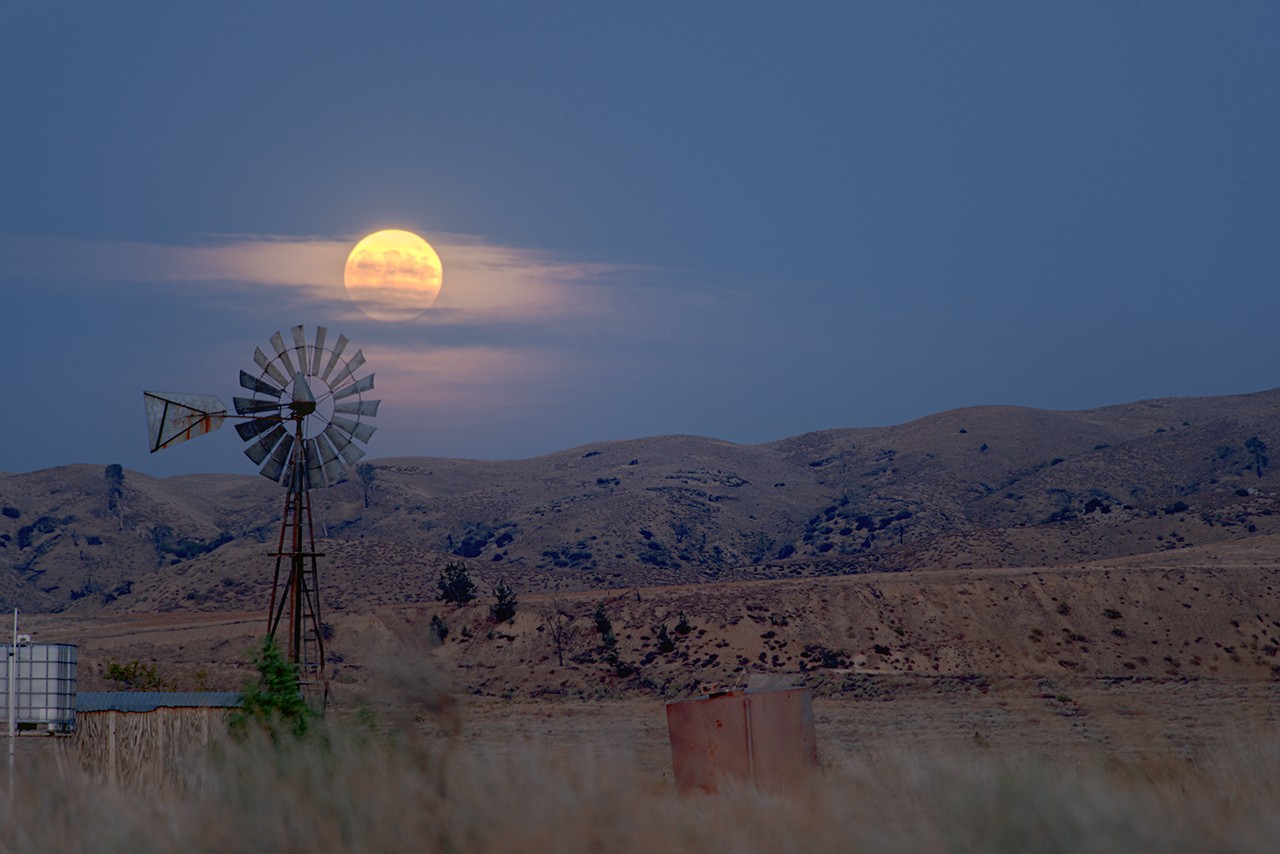
The month ends with a Blue Moon on May 31 – a term for the second full moon in a single calendar month. Despite the name, the moon will not appear blue in color. The event is relatively rare, inspiring the phrase "once in a blue moon."
This full moon follows the successful Artemis II mission, which launched in April and sent astronauts around the moon for the first time in over 50 years, providing new views of our nearest neighbor.
Background
The Eta Aquarid shower is named after the constellation Aquarius, from which the meteors appear to radiate. Debris from Halley's Comet creates the show each year. The Blue Moon phenomenon occurs about once every 2.5 years. Venus's brilliance makes it a consistent target for evening skywatching.
What This Means
May 2026 is an exceptional month for both casual observers and dedicated astrophotographers. The three events are spaced throughout the month, offering multiple chances to observe without overlap. The conjunction and Blue Moon are particularly photogenic. Clear skies and minimal light pollution will greatly improve visibility.
NASA recommends planning ahead: mark May 5–6 for pre-dawn meteor watching, May 18 for the evening Venus-Moon show, and May 31 for photographing the full moon at sunset. Use binoculars or a smartphone on a tripod for best results.