Breaking: Gut Micro-Particles Found to Drive Aging and Chronic Disease
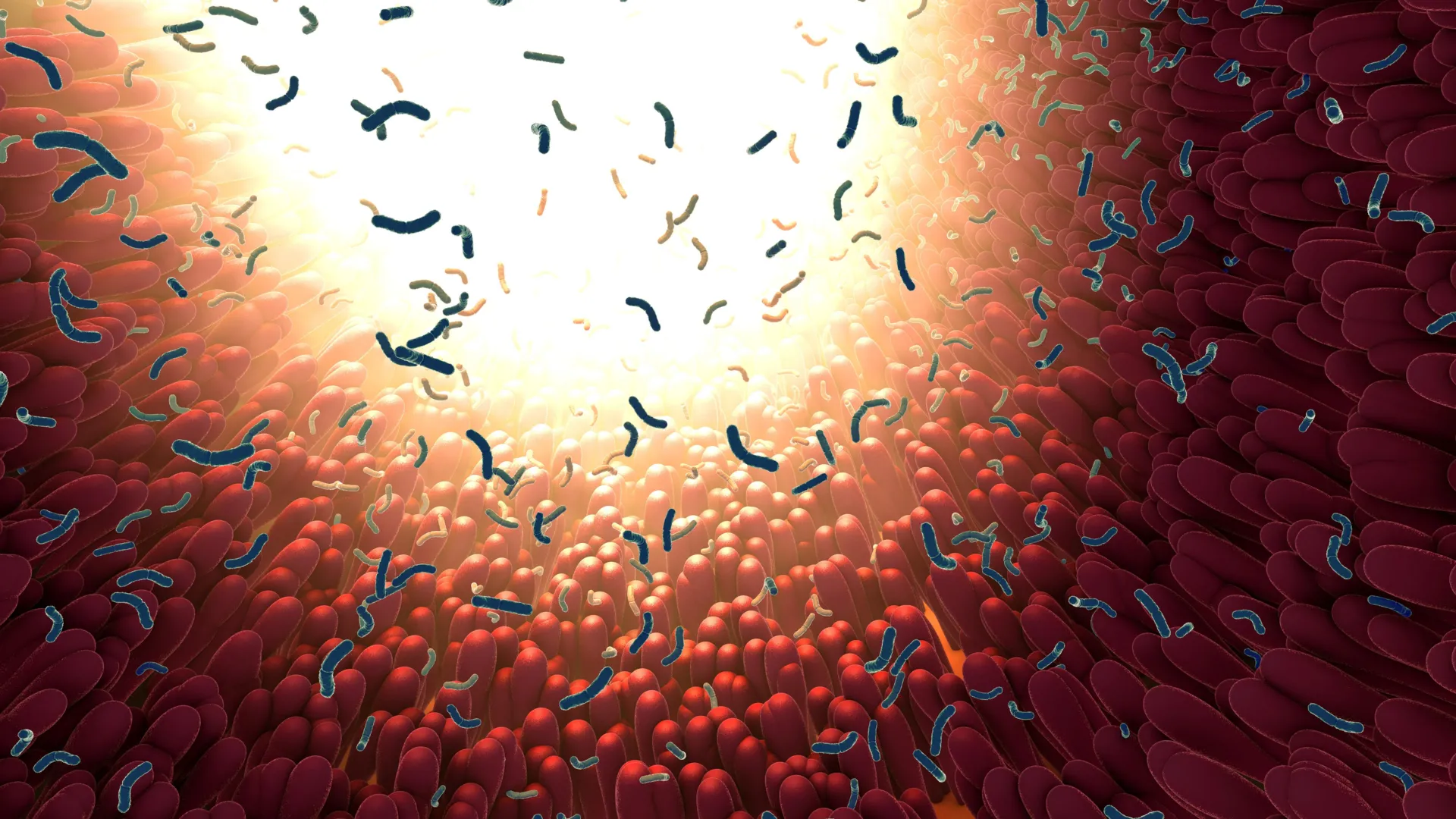
In a groundbreaking development, scientists have discovered that microscopic particles originating in the gut actively promote inflammation and age-related chronic conditions. The study, published in a leading scientific journal, reveals that these tiny particles, known as extracellular vesicles, can travel through the body and trigger cellular damage linked to aging. This finding suggests that the gut microbiome may play a more direct role in systemic aging than previously understood.
Remarkably, the research also shows that gut particles taken from young animals appear to counteract some aging-related damage in older animals. "This is a paradigm shift in how we view aging," said Dr. Elena Torres, a lead investigator at the University of Barcelona. "We may be able to harness these young particles as a therapeutic tool."
Background
Extracellular vesicles are small membrane-bound particles released by cells throughout the body, including those in the gut lining. They carry proteins, lipids, and genetic material that can influence recipient cells. Previous research had linked gut health to aging, but the specific role of these particles remained unclear.
This study, conducted on mice, isolated vesicles from the gut of young and old animals. When injected into older mice, vesicles from young donors reduced inflammation and improved markers of age-related decline. "The effect was surprisingly robust," noted Dr. James Chen, a co-author from Stanford University. "We saw improvements in cognitive function and muscle regeneration."
What This Means
If replicated in humans, this research could open new avenues for treating age-related diseases such as Alzheimer's, arthritis, and cardiovascular conditions. The findings suggest that aging may be partially reversible by targeting gut-derived particles. However, experts caution that more studies are needed to understand the molecular mechanisms and ensure safety.
"This is not a fountain of youth, but a potential roadmap for interventions," said Dr. Maria Lopez, a gerontologist at the University of Tokyo. "We need clinical trials to see if young gut vesicles work in humans and how to deliver them effectively."
- Key takeaway: Gut micro-particles are a driver of aging-related inflammation.
- Next step: Human trials expected within 2-3 years.
- Potential impact: Novel therapies for chronic diseases.
For more details on the study, see our Background section above. The research team plans to investigate how diet and probiotics might influence these particles.
Immediate Implications
Public health officials are watching closely. The World Health Organization has listed aging as a major risk factor for non-communicable diseases, which cause 70% of global deaths. This discovery could shift focus to gut health as a preventive measure.
"We may need to rethink dietary guidelines," suggested Dr. Torres. "If gut particles transfer aging signals, then what we eat could directly affect how we age."
- Young gut particles reduced inflammation markers by 40% in animal models.
- Old gut particles accelerated cellular damage when transferred to young mice.
- Human studies are the next critical milestone.
Stay tuned for updates. This story is developing. Check back for expert analysis and clinical trial announcements.