G6g9.putty PDocsOpen Source
Related
Rust Project Secures 13 Google Summer of Code 2026 Slots, Proposals Up 50%How to Detect and Recover from a Compromised Python Package Attack (GitHub Actions Hijack)GitHub Unveils AI-Powered Accessibility Workflow: Every User Report Now Tracked and PrioritizedCelebrating Fedora’s Champions: Mentors and Contributors Recognition 20268 Key Updates on GitHub’s Reliability JourneyBreaking the Forking Trap: Meta's Multi-Year WebRTC Modernization JourneyGitHub Copilot Overhauls Individual Plans: New Sign-Ups Halted, Usage Caps Tightened, and Model Access RevisedFlutter 3.41 Breaks Ground with Public Release Windows and Modular Design Libraries

8 Steps Meta Took to Escape the WebRTC Forking Trap and Modernize Real-Time Communication

Last updated: 2026-05-11 13:46:17 · Open Source

Introduction

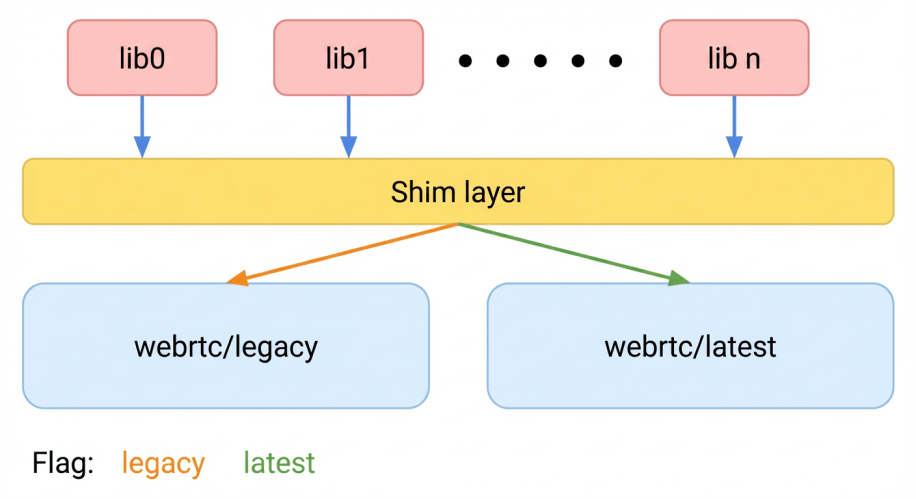
Meta relies on WebRTC to power real-time audio and video across platforms like Messenger, Instagram, Cloud Gaming, and VR casting on Quest. But maintaining a permanent fork of this massive open-source project created a classic 'forking trap': internal modifications drifted far from upstream updates, making integration costly and risky. To break free, Meta engineered a dual-stack architecture that allowed safe A/B testing across over 50 use cases, eventually moving to a modular system built atop the latest upstream version. This article walks through the eight critical steps Meta took to modernize WebRTC, improve performance and security, and establish a continuous upgrade pipeline.
8 Steps Meta Took to Escape the WebRTC Forking Trap and Modernize Real-Time Communication
Source: engineering.fb.com
8 Steps Meta Took to Escape the WebRTC Forking Trap and Modernize Real-Time Communication
Source: engineering.fb.com